WhatsApp
07548 880298
Your dog just had surgery or tweaked something chasing that squirrel—and now you’re on restricted exercise duty. That means no walks, no running, and definitely no wild zoomies.
For high-energy dogs and their humans, this can feel like a recipe for cabin fever.
But don’t worry—being on rest doesn’t mean your dog has to be bored or frustrated. With some creativity (and a few towels and treats), there’s plenty you can do to enrich their day while protecting their healing body.
This guide is full of reward-based, vet-friendly enrichment activities for dogs recovering from surgery or injury. Let’s get your pup’s tail wagging—without risking re-injury.
Restricted exercise is often prescribed by vets to allow healing after an operation, injury, or condition like luxating patella or joint surgery.
But here’s the good news: restricted doesn’t mean zero. It just means carefully controlled. And while physical movement is off-limits, mental stimulation is very much allowed—and needed.
That’s where enrichment comes in!
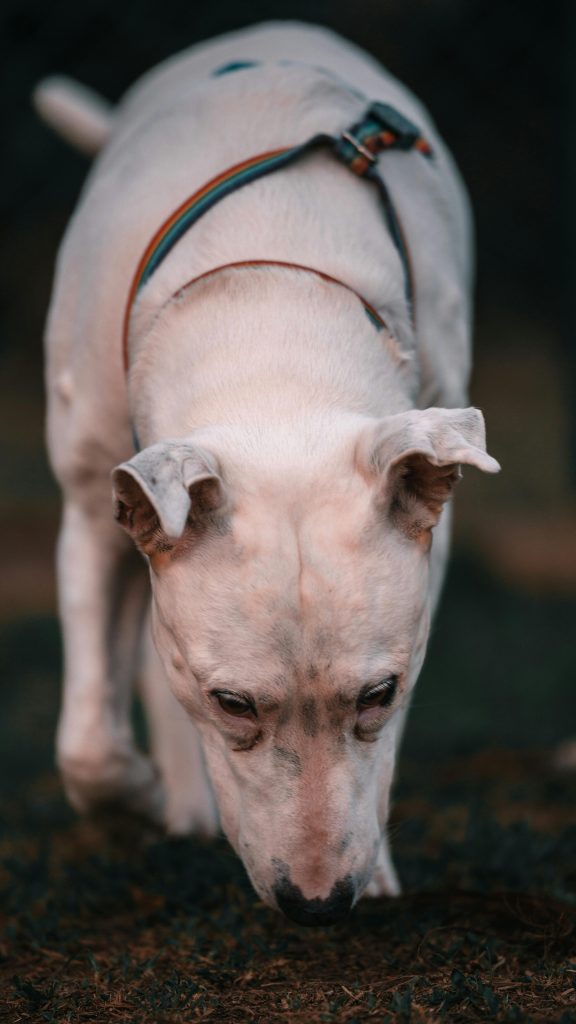
Dogs explore the world through their noses, and sniffing is mentally tiring—in a good way! Just a few minutes of scent work can be more satisfying than a walk.
But if your dog can’t leave the house, how do they get their daily “sniffari”?
✅ Easy Scent Enrichment Ideas:
Ask a friend to rub a towel on their pet (dog, cat, or rabbit) and offer it to your dog to sniff.
Grab old clothes or fabric from a charity shop—coats, scarves, shoes—anything with interesting smells.
Pick up discarded treat boxes or packaging from your local pet shop or groomer.
Collect dog hair from a grooming salon and seal it in a ziplock bag for scent rotation.
Use a snuffle mat or hide kibble in rolled-up towels for fun indoor foraging.
🧠 Scent is stimulating, low-impact, and an incredible way to reduce frustration without moving a muscle.
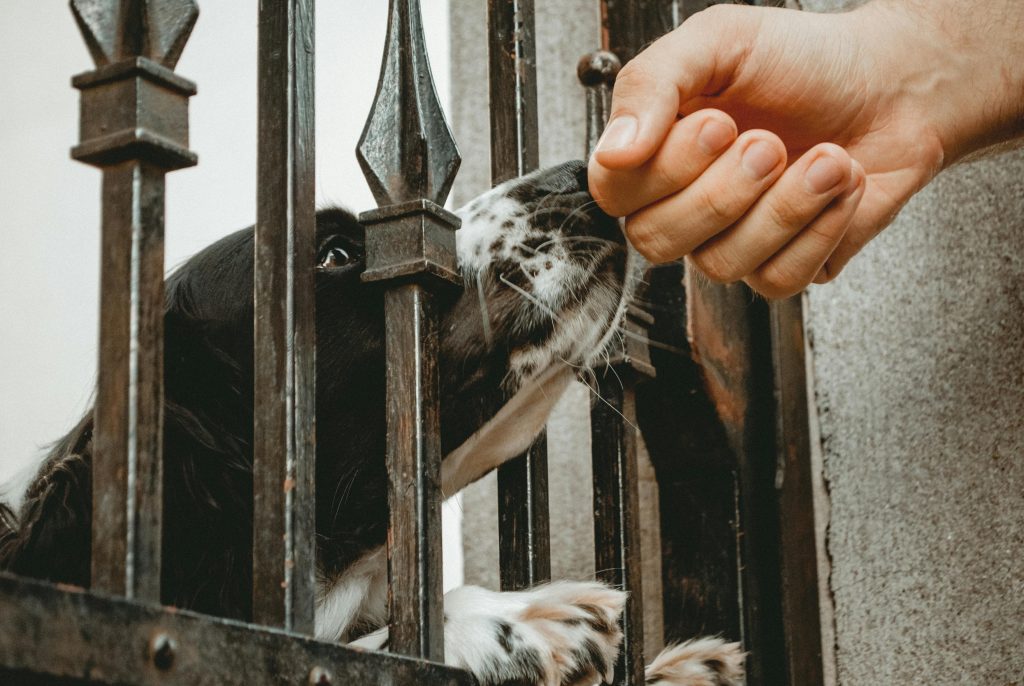
This simple cue is a favourite for reward-based trainers—and it’s perfect for dogs who can’t move much. You can teach it while your dog lies down comfortably.
👣 Step-by-Step: Teaching the Nose Touch
Hold your open palm a few inches from your dog’s nose.
Wait. The moment your dog sniffs or nudges your hand, say “Yes!” and reward.
Repeat several times. Your dog will quickly figure out: Touch hand = treat.
Add the word “Touch” just before your dog moves toward your hand.
Once it’s solid, try changing the angle or location slightly—but keep it easy.
💡 Why teach it?
It builds focus, strengthens your bond, and gives your dog a low-arousal “job” they can do even from bed.
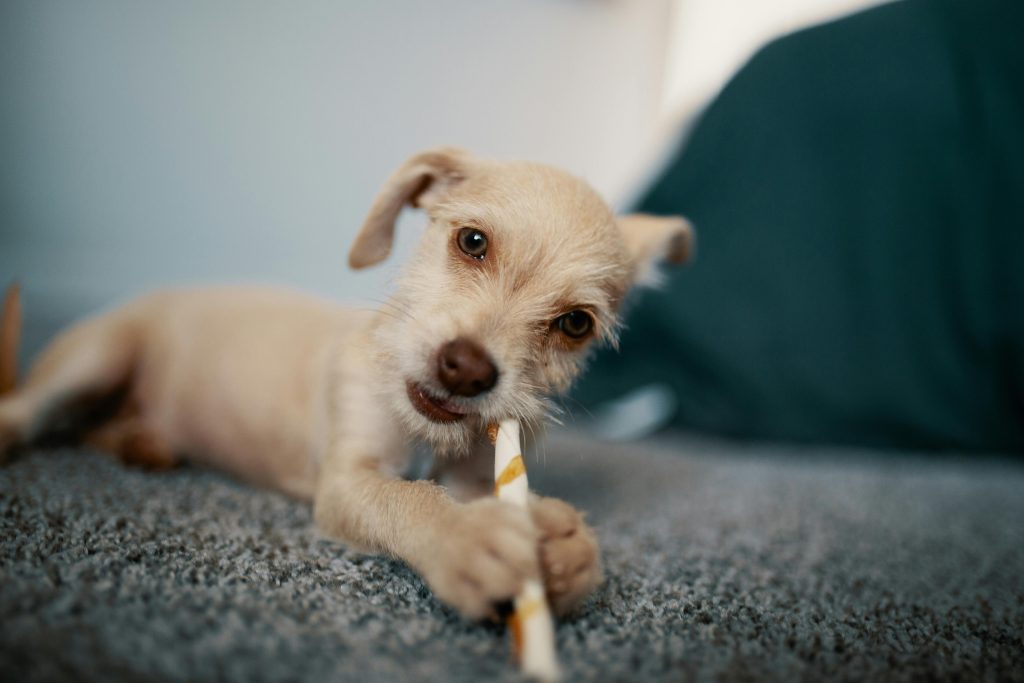
Chewing and licking are natural stress relievers for dogs. They help release feel-good hormones like dopamine and endorphins—and are completely crate-friendly.
✅ Enrichment Ideas That Soothe:
Frozen KONGs filled with soft food (like mashed banana, peanut butter, or kibble soaked in broth).
Lick mats smeared with dog-safe yogurt, pumpkin purée, or liver paste.
Long-lasting, vet-approved chews like yak milk sticks, dental chews, or dried fish skin.
📌 Pro Tip: Always supervise and choose chews suitable for your dog’s size and recovery stage—some may be too hard or stimulating.
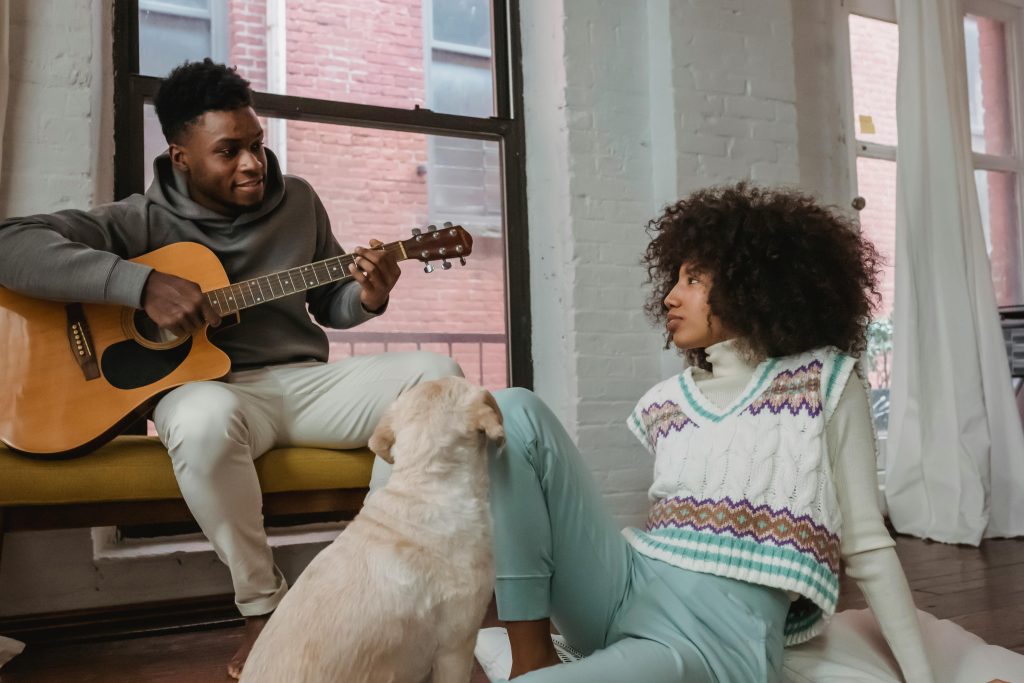
Dogs can enjoy quiet observation just like we do—but it’s important to strike the right balance.
🪟 Try This:
Set up a low bed or cushion near a calm window view.
Use baby gates to create a safe observation zone—especially helpful if squirrels are exciting!
Play gentle classical music, nature sounds, or calming dog playlists.
🎧 Music like Through a Dog’s Ear has been shown to lower stress in dogs and is perfect background noise during crate rest.
⚠️ Watch for signs of over-arousal (like whining or barking), and adjust the environment if needed.
Q: What if my dog gets frustrated with puzzle toys or nose work?
Start easy. You can scatter food on a towel or the floor before moving to snuffle mats or puzzles.
Q: How often should I offer enrichment sessions?
Short sessions (5–10 minutes), a few times a day, work best. Adjust based on your dog’s energy, interest, and what your vet recommends.
Q: Can these activities replace walks?
They won’t replace physical exercise forever—but they absolutely help your dog stay emotionally and mentally balanced during recovery.
Yes, restricted exercise for dogs can be tough. But it doesn’t have to feel like punishment—for you or your dog.
With a bit of creativity, a few towels and treats, and a whole lot of love, you can keep your dog engaged, confident, and calm throughout their recovery. And when those walks return? You’ll have a pup who’s not only healed, but also more focused, relaxed, and connected to you than ever before.
Need more help navigating this tricky time?
📘 Check out The Vet Says Rest – an essential guide packed with positive, practical strategies for helping your dog through enforced rest without losing your sanity (or your dog’s sparkle).
💬 And if you’re looking for a free space to connect with others going through the same journey, join the Beyond the Walk Facebook group. It’s a warm, welcoming community packed with ideas, real-life stories, and a shared love of keeping dogs happy and thriving—even when walks aren’t part of the plan.
🎉 And for extra support, enrichment ideas, and a like-minded community, join the Wags Without Walks membership—designed especially for dog lovers and trainers managing recovery, restricted exercise, or low-mobility lifestyles.
You don’t have to go through it alone—and your dog doesn’t have to be bored.